The Woks of Life
My Saved Recipes
  • Recipes
    • Recipe Index
    • Recipe Filter
    • View all By Date
    • Our Cookbook: NOW AVAILABLE!
    • Videos
  • How-To
    • Cooking MethodsAll how-to cooking methods
    • Cooking ToolsAll Cooking tools including hand and electrics
    • Wok Guide
    • Garden/FarmWe share our learnings from our new Woks of Life HQ/farm (where we moved in Fall of 2021) on how to grow Chinese vegetables, fruits, and other produce, as well as farm updates: our chickens, ducks, goats, alpacas, and resident llama!
    • CultureCulture related posts
  • Ingredients
    • Chinese Ingredients Glossary
    • Sauces, Wines, Vinegars & Oils
    • Spices & Seasonings
    • Dried, Cured & Pickled Ingredients
    • Noodles & Wrappers
    • Rice, Grains, Flours & Starches
    • Tofu, Bean Curd & Seitan
    • Vegetables & Fungi
    • Fresh Herbs & Aromatics
  • Life & Travel
    • Life
    • Travel
  • Contact
    • Work with Us
    • Press
    • Send Us A Message
  • About Us
Home ❯ Ingredients ❯ Sauces, Wines, Vinegars & Oils ❯ Tamarind Paste

Tamarind Paste

Everyone

by:

Everyone

6 Comments
Jump to Recipe
  • Share on Pinterest
Posted: 2/8/2020
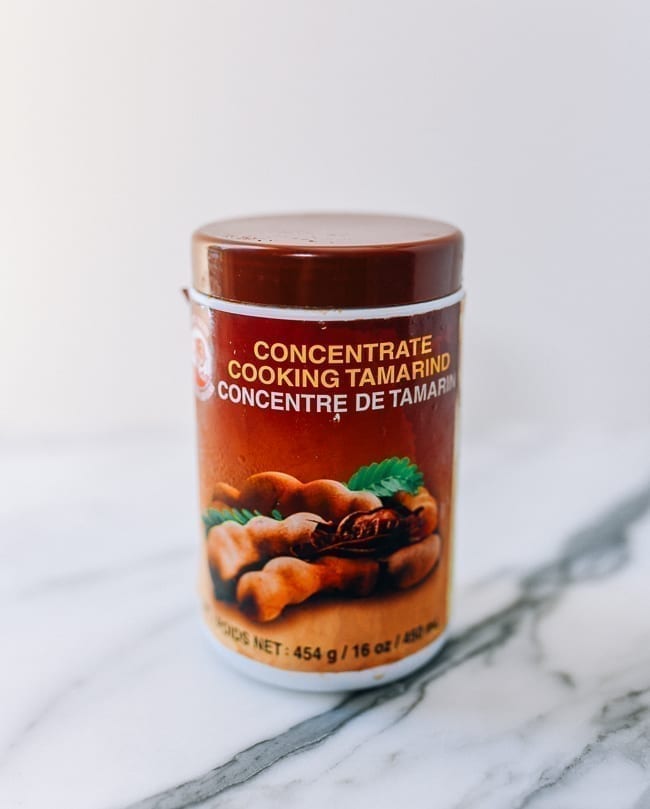
Tamarind Concentrate, thewoksoflife.com

Tamarind paste is essential to making an authentic pad thai, as well as other Thai and Southeast Asian dishes. Tamarind is also a key ingredient in India, Latin America, the Caribbean, and the Middle East. 

In this quick article, we’ll tell you everything you need to know about this underrated flavor agent!

What Is Tamarind? 

Tamarind is a tree native to the rainforests of Africa. It produces brown pods that contain an edible pulp with the sourness of a lime and the sweetness of a prune. The pods look almost like smooth, long brown peanuts. Each section contains a seed surrounded by fruit pulp. 

The overall flavor is notably sour, though its sourness differs from that of lemons, limes, and other citrus fruits. Cooks from cuisines around the world prize this unique flavor. 

How to Use It

Tamarind has many culinary uses, including making chutneys in India, pickled ingredients in the Middle East, and sodas and beverages in Latin America. It’s also a key flavor agent in an ingredient most Americans know well––Worcestershire sauce! 

We love it in Kaitlin’s tamarind iced tea:

Tamarind Iced Tea, thewoksoflife.com

In Southeast Asian cooking, it also adds a sweet and sour flavor to soups and noodle dishes like pad thai.
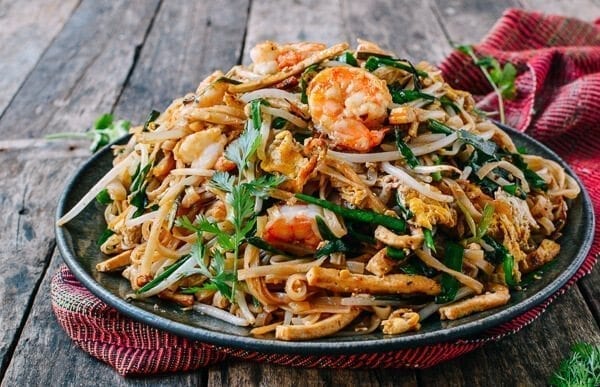
Shrimp Pad Thai, by thewoksoflife.com

If using fresh tamarind fruit, it must be peeled and then boiled or soaked in warm water to soften the pulp. The tamarind is then mashed and pressed through a strainer, and the resulting pulp and juice is then added to soups, stews, sauces, etc. 

Tamarind pulp, or dried tamarind, can serve as a substitute for the fresh pulp. The dried stuff comes in blocks (usually ½ pound – 1 pound, or about 250-500g). You would just break the block into smaller pieces and then soak them in hot water. Then you can strain the mixture and add it to various dishes. 
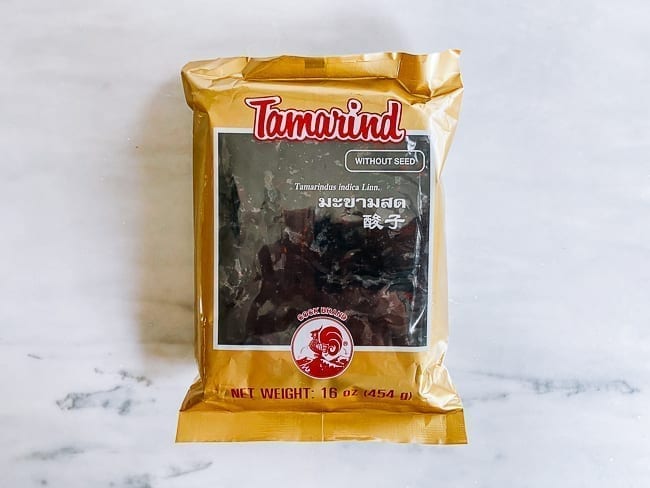
Packaged tamarind pulp, thewoksoflife.com

Tamarind paste or concentrate, which is what we find most readily available in Asian grocery stores in our area, is ready to use and sold in jars.
Tamarind concentrate, thewoksoflife.com

It’s the most convenient option for adding tamarind flavor to your cooking, though its flavor isn’t quite as strong or pure as fresh juice or even the soaked and strained dried pulp. 
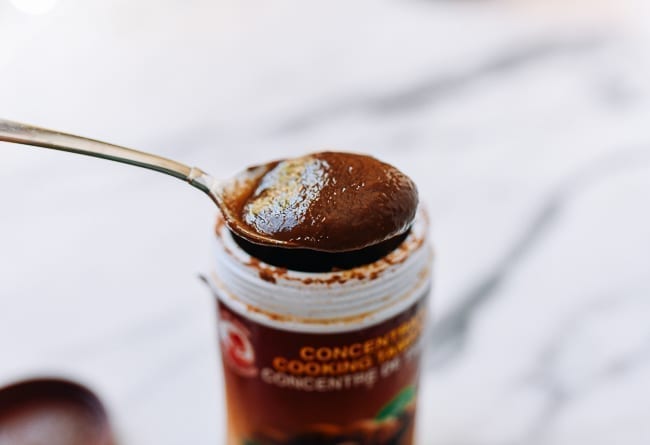
tamarind concentrate, thewoksoflife.com

The flavor of tamarind is quite strong and sour, so a little goes a long way. Its sour flavor can be counterbalanced with sweet, salty, and savory flavors, especially in Thai cuisine, where the interplay of these different flavors are key! 

Buying & Storing

You can find tamarind at various kinds of ethnic markets, from well-stocked Asian markets to Indian and Latin markets. 

If it’s available fresh at your local Asian or Latin grocery store, you can buy that and make your own paste at home. 

Simply peel the outer shells of the pods off, remove any of the veiny fibers surrounding the seeds and pulp and then soak the tamarind in hot water for about an hour. 

Then put the tamarind in a fine meshed strainer sitting in the soaking liquid, and mash through the strainer until all that’s left in the strainer is the hard seeds. 

Combine the pulp with the liquid in the bowl to form a thin paste (if you’d like the paste to be thicker, use less water for soaking). 

Otherwise, you can buy ready-to-use paste in jars, either in stores or online. Refrigerate after opening and always use a clean utensil when handling it. As long as you store it in an airtight container and do not contaminate it, it can last in the refrigerator for about a year. 

Substitutions for Tamarind

Tamarind has a truly unique flavor that’s difficult to substitute for. However, if necessary, you can substitute 2 parts lime juice mixed with 1 park dark brown sugar, or try equal parts pomegranate molasses and lime juice. 

Our Favorite Dishes That Use This Ingredient:

  • Shrimp Pad Thai
  • Tamarind Iced Tea

If you have further questions, let us know in the comments. We try to answer every single one!

Looking for more authentic recipes? Subscribe to our email list and be sure to follow us on Pinterest, Facebook, Instagram, and Youtube!

Recipe
Tamarind Concentrate, thewoksoflife.com
Print

How to Make Tamarind Paste from Fresh Tamarind

by: Everyone
Prep: 1 hour hr 15 minutes mins
Total: 1 hour hr 15 minutes mins

Ingredients

  • fresh tamarind pods
  • hot water

Instructions

  • Peel the outer shells of the pods off, remove any of the veiny fibers surrounding the seeds and pulp and then soak the tamarind in hot water for about an hour.
  • Then put the tamarind in a fine meshed strainer sitting in the soaking liquid, and mash the tamarind through the strainer until all that’s left in the strainer is the hard seeds.
  • Combine the pulp with the liquid in the bowl to form a thin tamarind paste (if you’d like the paste to be thicker, use less water for soaking).

Nutritional Info Disclaimer Hide Disclaimer
TheWoksofLife.com is written and produced for informational purposes only. While we do our best to provide nutritional information as a general guideline to our readers, we are not certified nutritionists, and the values provided should be considered estimates. Factors such as brands purchased, natural variations in fresh ingredients, etc. will change the nutritional information in any recipe. Various online calculators also provide different results, depending on their sources. To obtain accurate nutritional information for a recipe, use your preferred nutrition calculator to determine nutritional information with the actual ingredients and quantities used.
Did You Make This?Tag us on Instagram @thewoksoflife and be sure to follow us on social for more!
@thewoksoflife

You may also like…

  • Tamarind Iced Tea, thewoksoflife.com
    Tamarind Iced Tea 
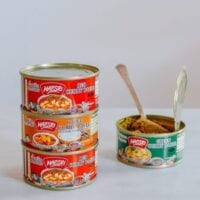
  • Canned Thai Curry Paste, thewoksoflife.com
    Thai Curry Paste
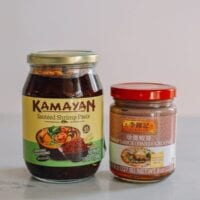
  • Shrimp Paste and Shrimp Sauce, thewoksoflife.com
    Shrimp Paste & Shrimp Sauce
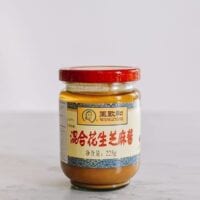
  • Chinese Sesame Paste jar, thewoksoflife.com
    Chinese Sesame Paste
Everyone

About

Everyone
Bill, Judy, Sarah, and Kaitlin Leung are a family of four and co-creators of The Woks of Life, which began in 2013 and has since become the most trusted online resource for Chinese recipes—what Bon Appetit has called “The Bible of Chinese Home Cooking.” New York Times bestselling cookbook authors, IACP award finalists, and James Beard Award nominees, the Leung family continues to build this multigenerational project, a culinary platform and robust online community trusted by millions of home cooks. This post includes contributions from two or more family members. So rather than deciding who gets a byline, it’s posted under the general moniker, “Everyone.” Very diplomatic, wouldn’t you say?
guest
Rate this recipe:


guest
Rate this recipe:


This site uses Akismet to reduce spam. Learn how your comment data is processed.

6 Comments
Newest
Oldest Most Voted
Inline Feedbacks
View all comments
Sarah, Kaitlin, Judy, and Bill cooking together

Welcome!

We’re Sarah, Kaitlin, Judy, and Bill– a family of four cooks sharing our home-cooked and restaurant-style recipes.

Our Story

sign up for our newsletter and receive:

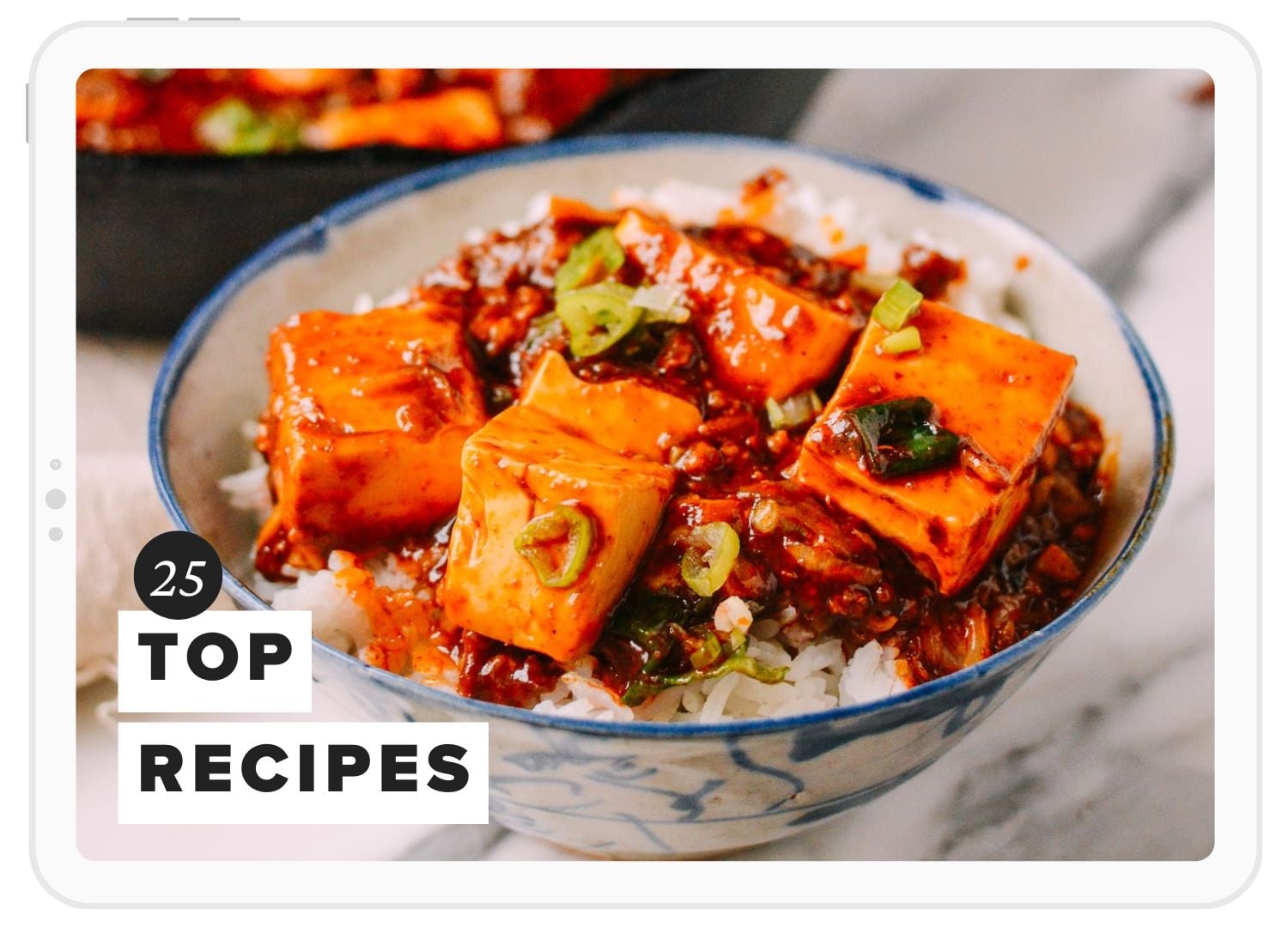
our Top 25 recipes eBook

Our email newsletter delivers our new recipes and latest updates. It’s always free and you can unsubscribe any time.

Wok Guide
Ingredients 101
Cooking Tools
Kitchen Wisdom
* Surprise Me! *

Save Your Favorite Woks of Life Recipes!

Create an account to save your favorite dishes & get email udpates!

Sign Me Up

Sign Up For Email Updates & Receive Our

Top 25 Recipes Ebook!

“

“I am proud to say that your genealogy has been the sole tutorial for my Asian-inspired culinary adventures for years; probably since you began. Time and again, my worldwide web pursuits for solid recipes that I know my family will eat has landed me back here.”

Beth, Community Member Since 2013

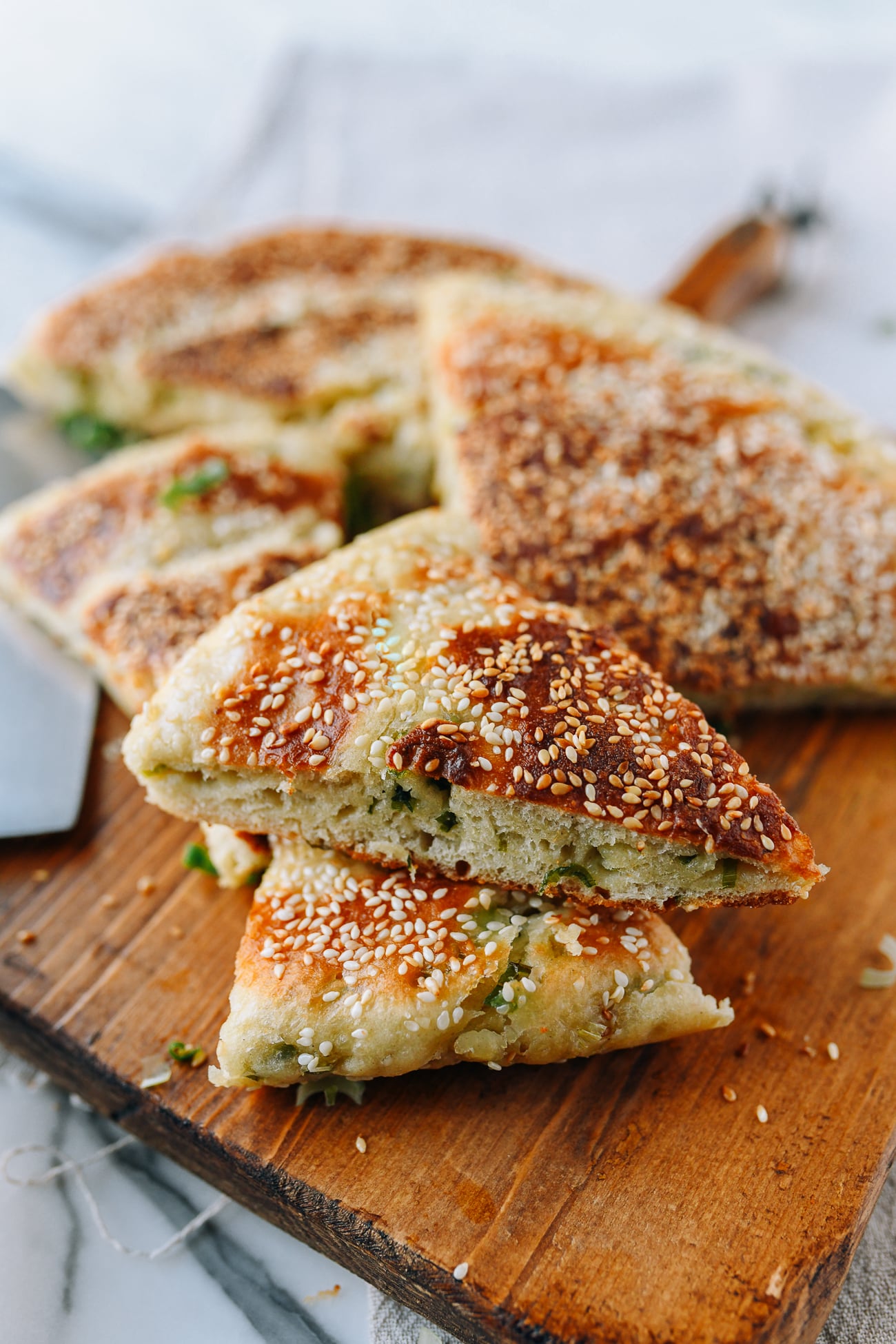
Shanghai Scallion Flatbread Qiang Bing
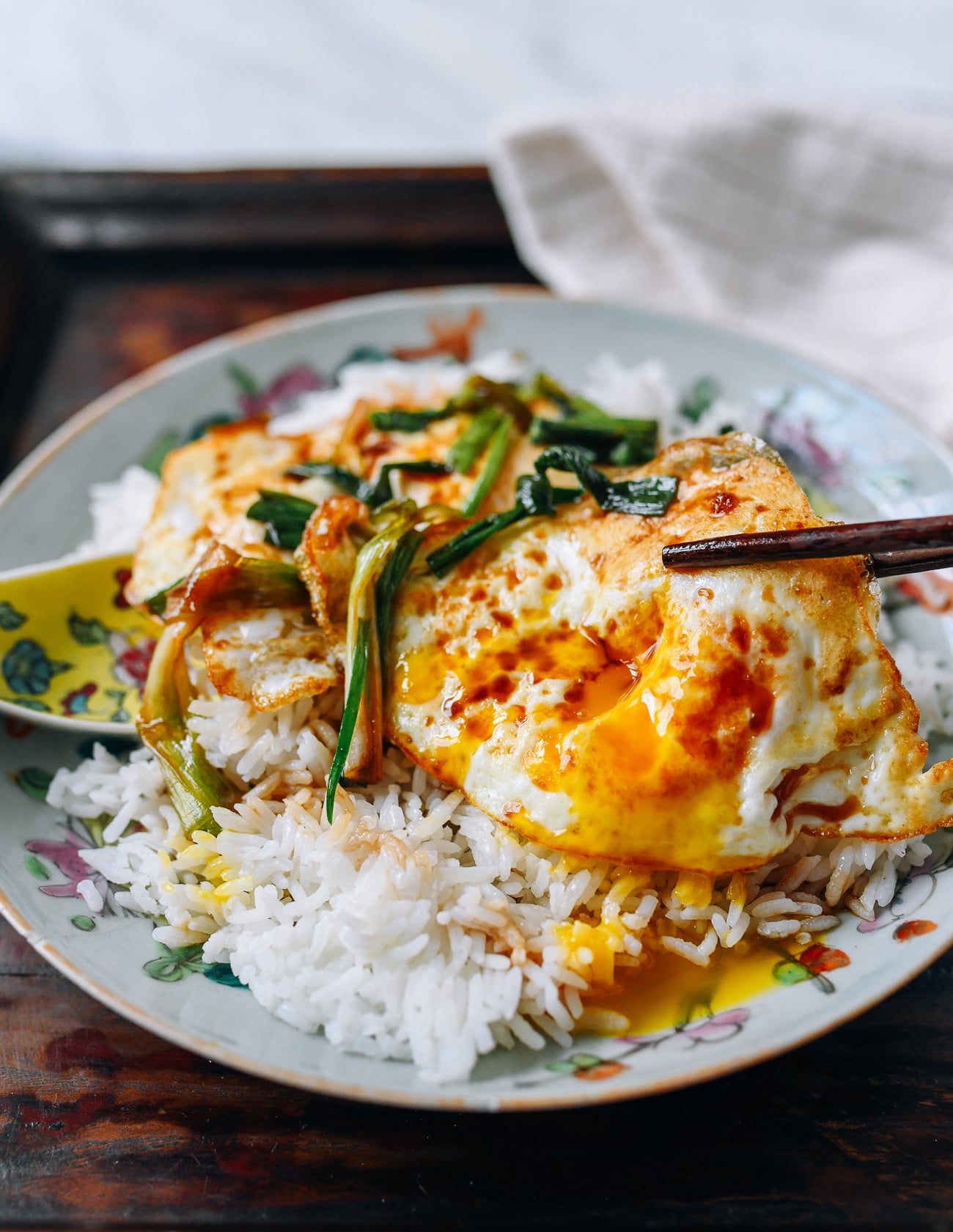
Eggs with Soy Sauce and Scallions
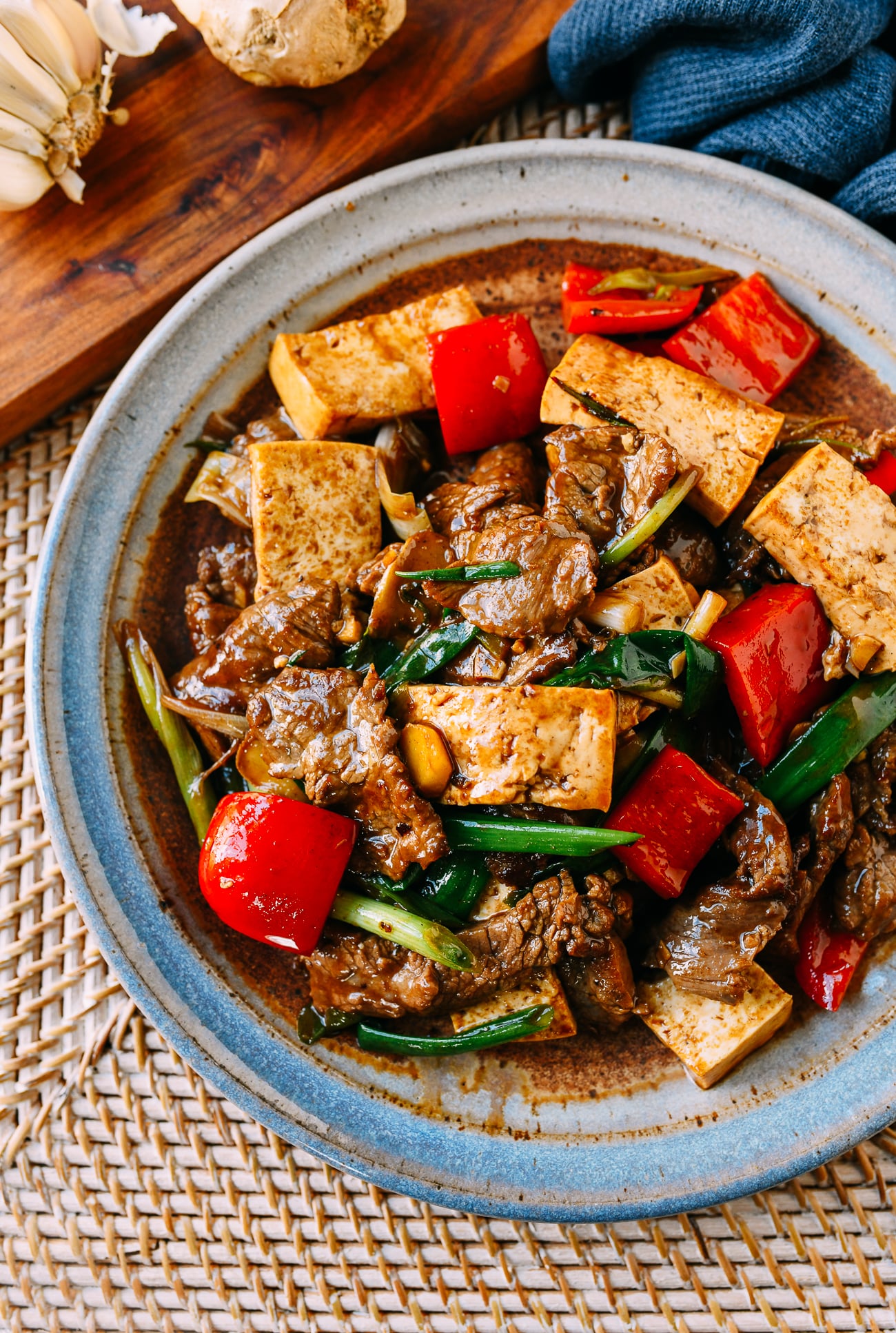
Scallion Ginger Beef & Tofu
Bill with jar of haam choy
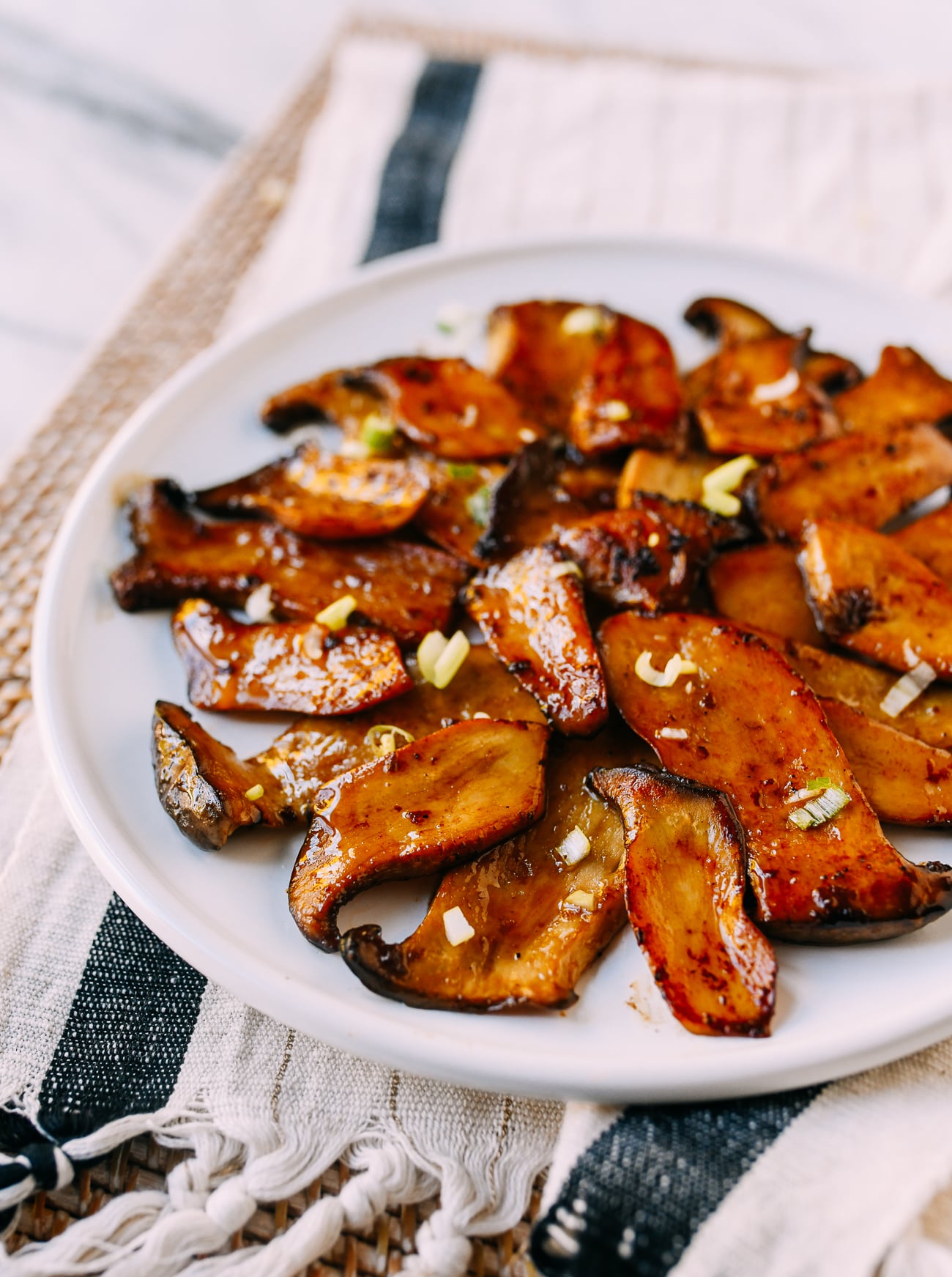
Soy Butter Glazed King Oyster Mushrooms
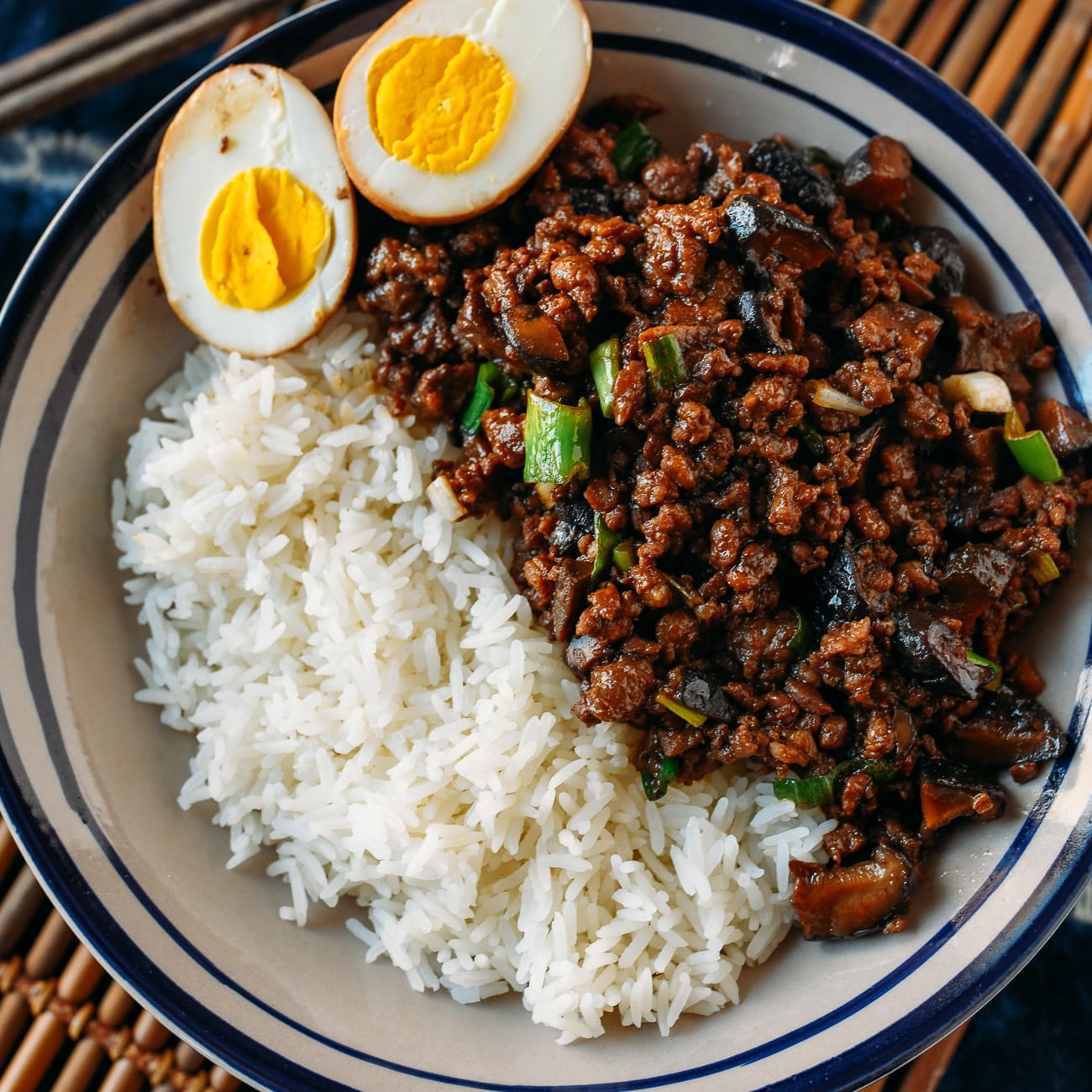
Taiwanese Rou Zao Fan
  • Facebook
  • Instagram
  • Pinterest
  • YouTube

All Rights Reserved © The Woks of Life

·

Privacy Policy

·

Disclaimer

·

Site Credits

·

Back to Top
wpDiscuz