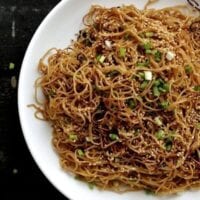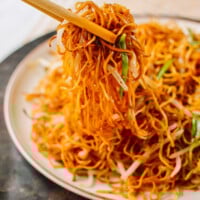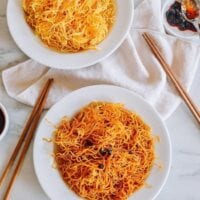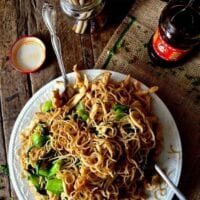

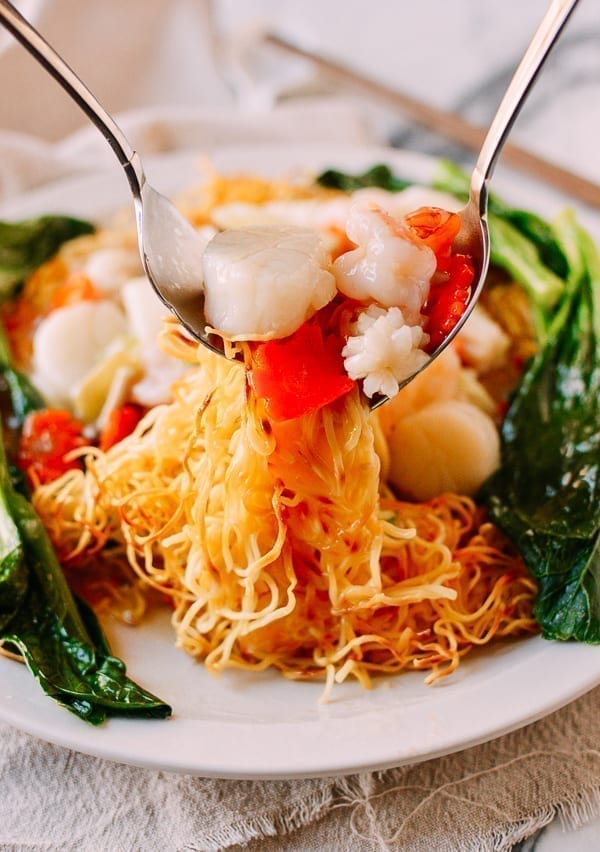
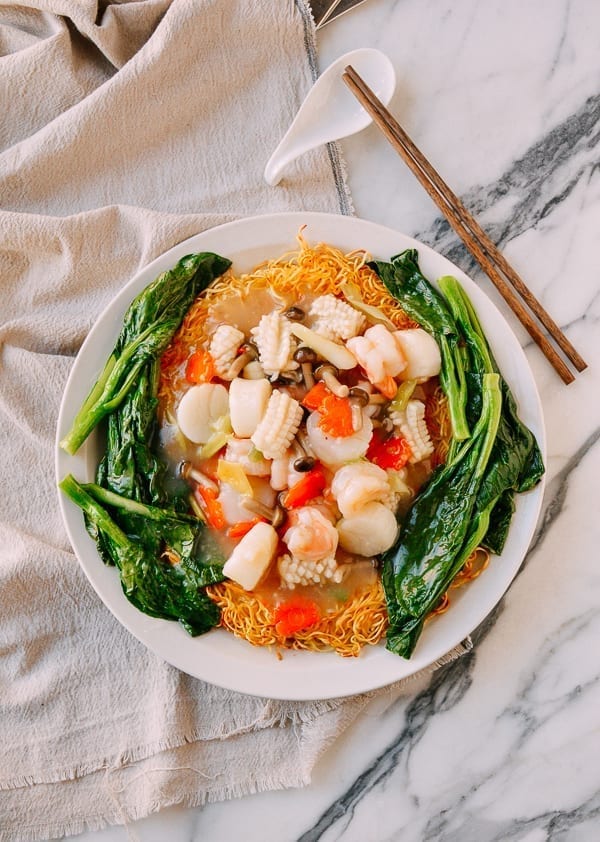
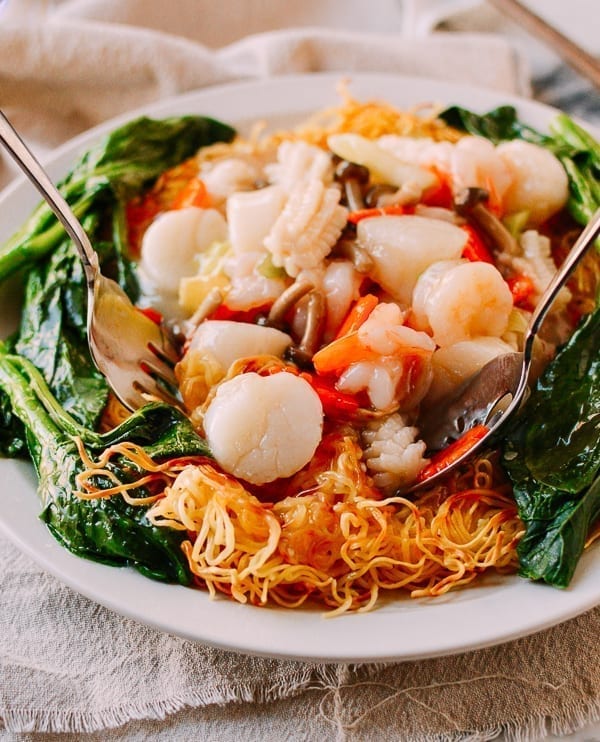
Seafood Pan Fried Noodles is a favorite Cantonese dish we enjoyed at Sunday dim sum growing up.
Also called Seafood Chow Mein on some Chinese menus, it’s a cornerstone dish my sisters and parents loved. After our first round of dim sum plates, my parents would call the waiter over, and add a Beef Chow Fun and Seafood Pan Fried Noodles for the table.
The restaurant was always crowded and very loud so all I heard was, “hoi seen chow meen!” in a loud and clear Cantonese dialect, which literally means, “seafood fried noodles.” For any Mandarin speakers, you know it as hǎi xiān chǎo miàn (海鲜炒面).
When Sarah and Kaitlin were growing up, we would go to dim sum for large family gatherings. As the last dim sum dishes were being picked at, Sarah and Kaitlin would always look expectantly for chow mein to complete the Sunday tradition!
You can find this classic seafood noodle dish at just about any Cantonese restaurant, especially those that serve dim sum. But if you don’t live near a Chinatown or have access to good Cantonese restaurants, use our step-by-step recipe, and cook these seafood pan-fried noodles at home!
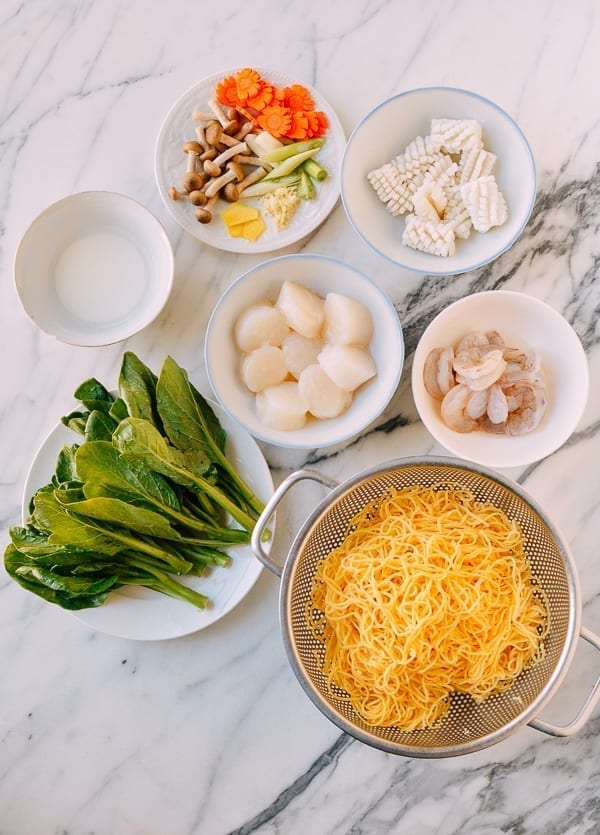
But Wait, What ARE Pan-fried Noodles?
We know the many noodle types out there can be tricky to navigate. Pan-fried noodles, or chow mein noodles, are made with egg, which gives them a light yellow color. They’re also quite thin, and may be labeled as “Hong Kong pan-fried noodles” or “Hong-Kong Style Egg Noodles.”
They come in fresh or dried varieties as well.
Fresh:
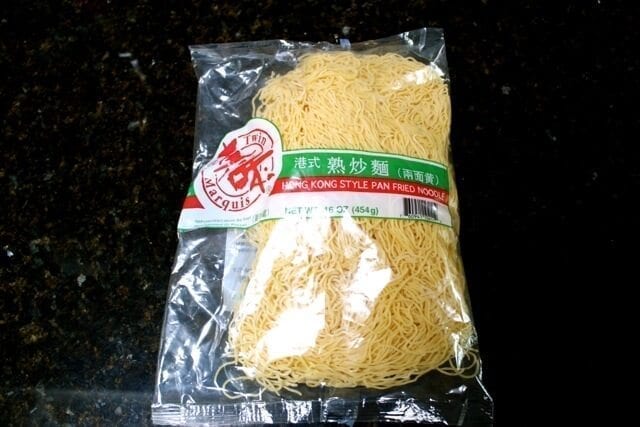
P.S. Can you tell this photo is 6 years old?
Dried:
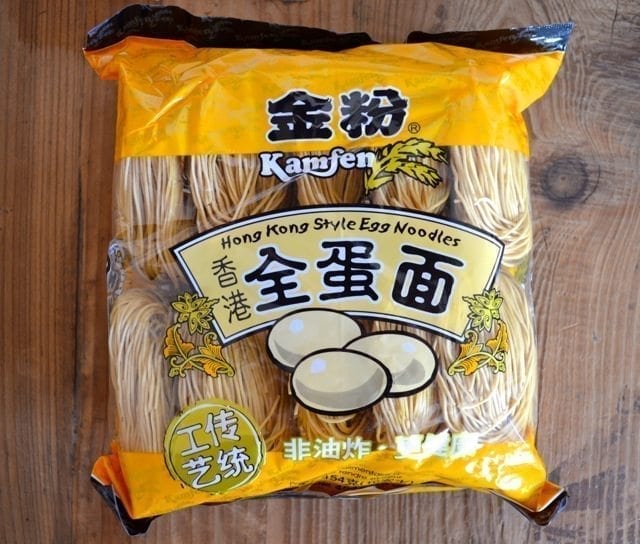
Don’t get confused by other noodles made with egg, like the thicker lo mein noodles or anything labeled, “wonton noodles.” Wonton noodles are used in noodle soups, and as thin, yellow egg noodles, they look a bit similar to pan-fried noodles.
Each of type of noodles is suited for different purposes. Pan-fried noodles are meant to be quickly boiled, drained, and pan-fried until crispy.
Where to Buy Pan-fried Noodles
Hong Kong-style noodles for pan frying can be found in dry or fresh form at your local Asian market.
We recommend the fresh noodles for the best results, but you can also purchase the dried noodles online.
See our Ingredients Page on Chinese Noodles for more information and product photos that you can use while you’re shopping!
More Pan-Fried Noodle / Chow Mein Recipes
If you’re not a big fan of seafood, we have lots of other pan-fried noodle recipes to choose from:
- Cantonese Soy Sauce Pan-Fried Noodles
- Vegetable Pan-Fried Noodles (Chow Mein)
- Chicken Pan-Fried Noodles (Chow Mein)
- Simple, Spicy Pan-Fried Noodles (first recipe we ever posted on the blog!)
- Shrimp Pan-Fried Noodles (Chow Mein)
- Honey Hoisin Pan-Fried Noodles
Seafood Pan Fried Noodles: Recipe Instructions
(scroll down for the printable recipe card)
1. Prepare the seafood, sauce mixture, and vegetables
For this dish, we used scallops, shrimp, and prepared frozen squid that was already cleaned and cut. You can also prepare fresh squid. Do this by cutting the cleaned squid open lengthwise and lightly scoring it with a diamond pattern. See the technique we used in our Stir Fried Squid with Pickled Vegetables.
Prepare the sauce by mixing together your hot chicken stock with the sesame oil, salt, sugar, oyster sauce, white pepper. Set aside. Separately, mix the cornstarch and water into a slurry and set aside.
Cut the ends of your choy sum, wash it them well in cold water, and set aside. These will be left whole as they are served in Chinese restaurants.
2. Pan-fry the noodles
Bring a large pot or wok filled with water to a boil. If using fresh noodles, blanch them for 30-60 seconds.
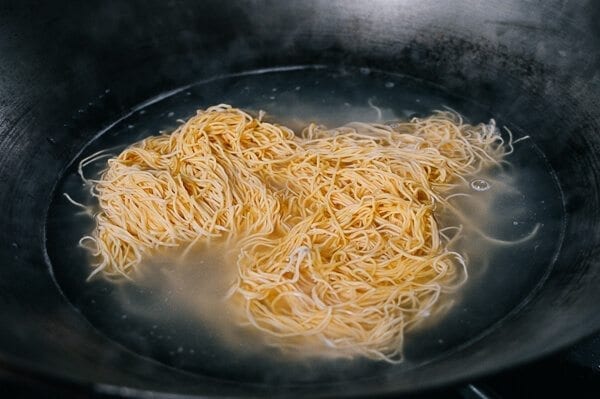
If using dried noodles, follow the package directions for cooking times, but make sure they remain al dente. In both cases, place the noodles directly into a cold water bath to stop the cooking and drain thoroughly in a colander.
Next, heat your wok or nonstick frying pan until hot. Add a tablespoon of oil and swirl it around so it coats your cooking surface. Spread out the noodles in a thin, even layer, and fry for 3 to 5 minutes or until crispy.
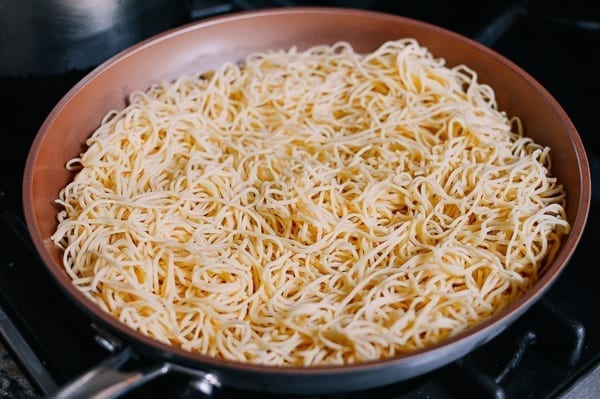
Use a spatula to loosen the noodles. Take a peek under the noodles to ensure they’re golden brown. Use a spatula to flip the noodles over. If you can’t get it in one shot, flip it over in sections.
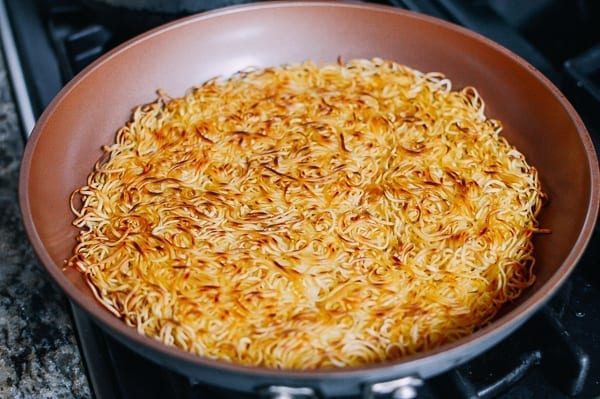
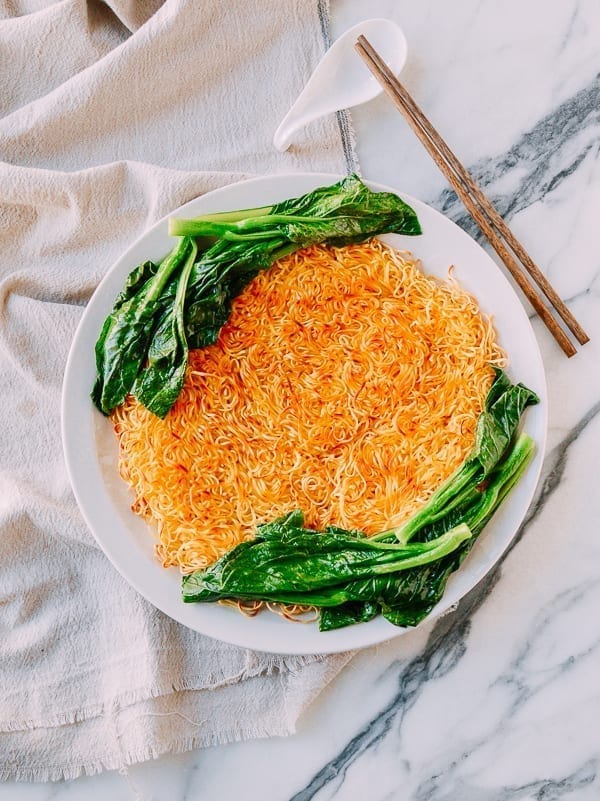
Add another tablespoon of vegetable oil around the sides of the pan, and crisp the other side to get the noodles evenly browned. Transfer the noodles to a serving plate.
3. Pre-cook seafood and choy sum
Bring 6 cups of water to a boil in your wok (you can also use the water you boiled the noodles in), and add a tablespoon of oil to the water. Blanch the choy sum for 30 seconds.
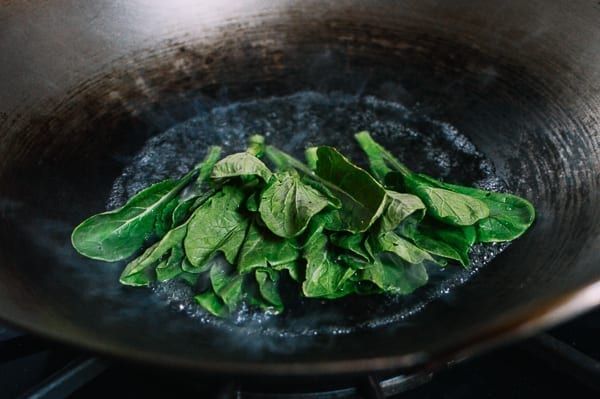
Remove with a Chinese spider or strainer shaking off the excess water and place around the noodles.
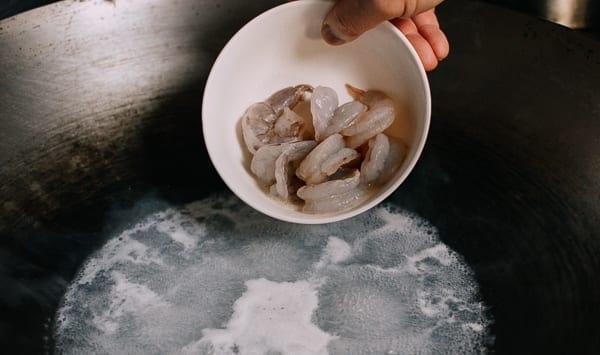
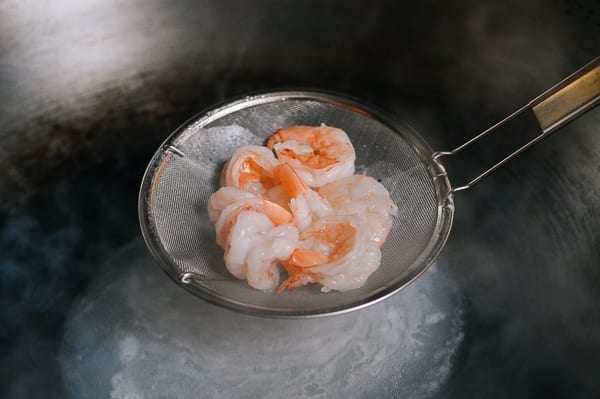
Next, blanch the shrimp, scallops, and squid by slowly stirring them in the water until just opaque (about 20 seconds).
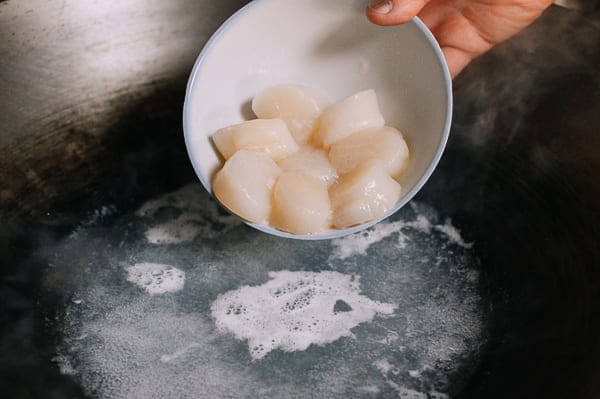
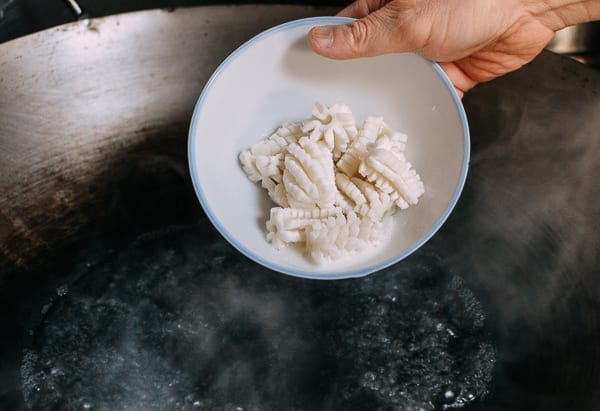
Transfer to a plate. The seafood should be just 70% cooked, since they will be cooked again in the stir-fry step of the dish.
4. Assemble the dish
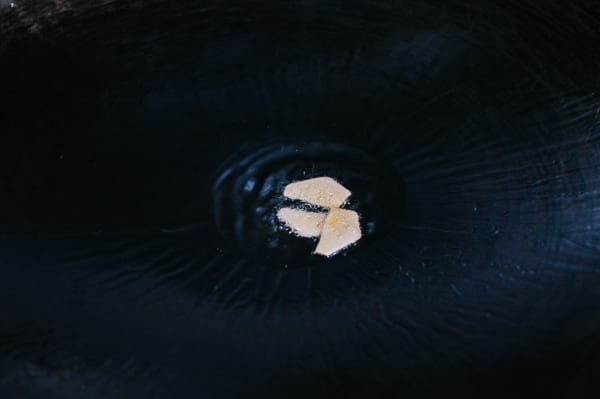
Start with a clean, dry wok over medium low heat. Spread 1 tablespoon of oil around the perimeter of your wok. Add the ginger and cook for 10 to 20 seconds.
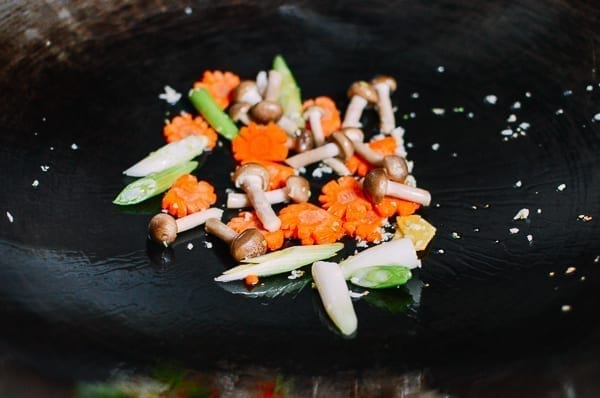
Stir in the garlic, scallions, carrots and mushrooms, turning the heat up to the highest setting.
Next, add the shrimp, scallops, and squid. Stir-fry for 10 seconds, and add the rice wine.
Next, add the sauce mixture, and bring to a simmer.
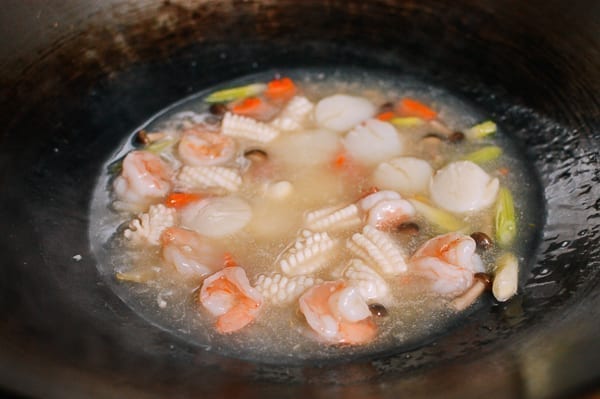
Stir the cornstarch slurry to ensure it’s combined, and add ⅔ of it while stirring the contents of the wok. Cook for 15 seconds. The sauce should be thick enough to coat a spoon. Add the rest of the cornstarch slurry until the sauce is your preferred consistency.
Pour the entire mixture over the noodles and serve immediately. Serve with hot chili oil on the side!
Looking for more authentic recipes? Subscribe to our email list and be sure to follow us on Pinterest, Facebook, Instagram, and Youtube!
Recipe
Seafood Pan Fried Noodles
Ingredients
- 4 ounces scalops (115g) – rinsed
- 6 ounces large shrimp (170g) – peeled and deveined
- 6 ounces fresh squid (170g) – cleaned
- 1½ cups hot chicken stock (355 ml)
- ½ teaspoon sesame oil
- 1½ teaspoons salt (or to taste)
- ¼ teaspoon sugar
- 2 teaspoons oyster sauce
- white pepper (to taste)
- 3 tablespoons cornstarch (combined with 3 tablespoons water)
- 4 ounces choy sum (yu choy) (115g)
- 8 ounces fresh Hong Kong-style pan-fried noodles or 4 bundles dried noodles (225g)
- 4 tablespoons vegetable oil divided
- 3 thin slices ginger
- 1 clove garlic (minced)
- 1 scallion (white parts only, cut at an angle into 1-inch pieces)
- ¼ cup sliced carrot (30g)
- ¼ cup beech or straw mushrooms (30g)
- 1 tablespoon rice wine
Instructions
Prepare the seafood, sauce mixture, and vegetables
- For this dish, we used scallops, shrimp, and prepared frozen squid that was already cleaned and cut. You can also prepare fresh squid. Do this by cutting the cleaned squid open lengthwise and lightly scoring it with a diamond pattern. See the technique we used in our Stir Fried Squid with Pickled Vegetables.
- Prepare the sauce by mixing together your hot chicken stock with the sesame oil, salt, sugar, oyster sauce, white pepper. Set aside. Separately, mix the cornstarch and water into a slurry and set aside.
- Cut the ends of your choy sum, wash it them well in cold water, and set aside. These will be left whole as they are served in Chinese restaurants.
Pan-fry the noodles
- Bring a large pot or wok filled with water to a boil. If using fresh noodles, blanch them for 30-60 seconds. If using dried noodles, follow the package directions for cooking times, but make sure they remain al dente. In both cases, place the noodles directly into a cold water bath to stop the cooking and drain thoroughly in a colander.
- Next, heat your wok or nonstick frying pan until hot. Add a tablespoon of oil and swirl it around so it coats your cooking surface. Spread out the noodles in a thin, even layer, and fry for 3 to 5 minutes or until crispy.
- Use a spatula to loosen the noodles. Take a peek under the noodles to ensure they’re golden brown. Use a spatula to flip the noodles over. If you can’t get it in one shot, flip it over in sections.
- Add another tablespoon of vegetable oil around the sides of the pan, and crisp the other side to get the noodles evenly browned. Transfer the noodles to a serving plate.
Pre-cook seafood and choy sum
- Bring 6 cups of water to a boil in your wok (you can also use the water you boiled the noodles in), and add a tablespoon of oil to the water. Blanch the choy sum for 30 seconds. Remove with a Chinese spider or strainer shaking off the excess water and place around the noodles.
- Next, blanch the shrimp, scallops, and squid by slowly stirring them in the water until just opaque (about 20 seconds). Transfer to a plate. The seafood should be just 70% cooked, since they will be cooked again in the stir-fry step of the dish.
Assemble the dish
- Start with a clean, dry wok over medium low heat. Spread 1 tablespoon of oil around the perimeter of your wok. Add the ginger and cook for 10 to 20 seconds.
- Stir in the garlic, scallions, carrots and mushrooms, turning the heat up to the highest setting. Next, add the shrimp, scallops, and squid. Stir-fry for 10 seconds, and add the wine.
- Next, add the sauce mixture, and bring to a simmer. Stir the cornstarch slurry to ensure it’s combined, and add ⅔ of it while stirring the contents of the wok. Cook for 15 seconds. The sauce should be thick enough to coat a spoon. Add the rest of the cornstarch slurry until the sauce is your preferred consistency.
- Pour the entire mixture over the noodles and serve immediately. Serve with hot chili oil on the side!
Nutrition Facts