
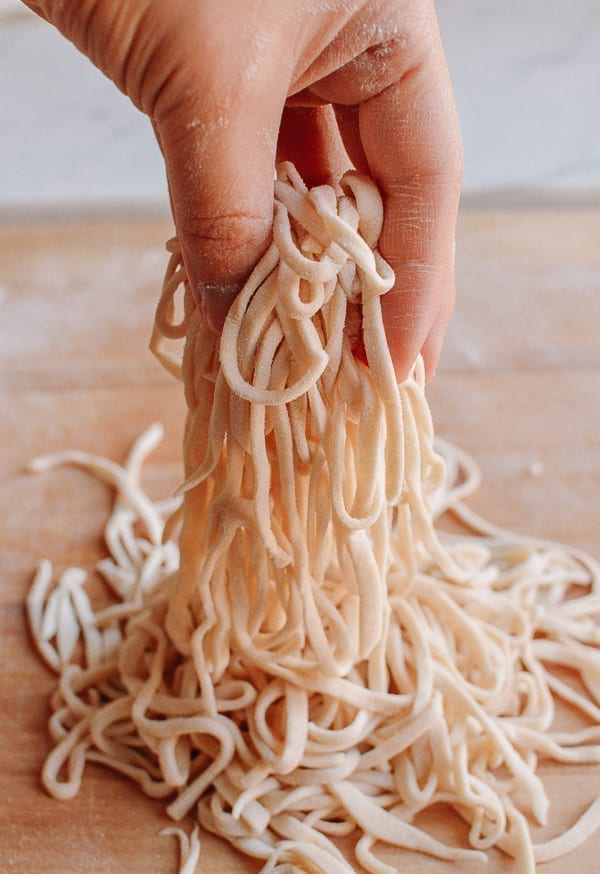
Nothing makes you feel quite so accomplished as slurping down a bowl of Chinese handmade noodles that you kneaded, rolled, and cut from scratch.
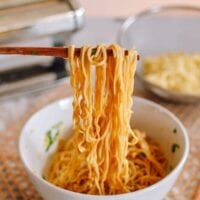
These deliciously chewy, springy noodles can be served in soup or mixed with whatever tasty sauces and toppings you can dream up for a delicious meal.
How to Make Chinese Noodles: Key Tips
Most likely, you already have everything you need to make these homemade Chinese noodles: bread flour, salt, and water.
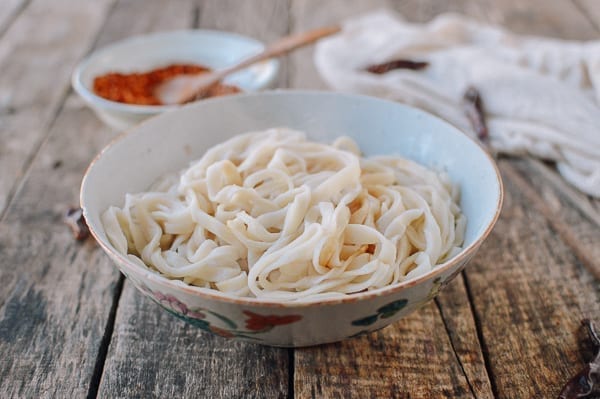
If you have a mixer with a dough hook attachment, it’ll be a piece of cake! If not, no matter. A bit of elbow grease, and you’ll be making noodles the same way cooks have been making them in China for centuries.
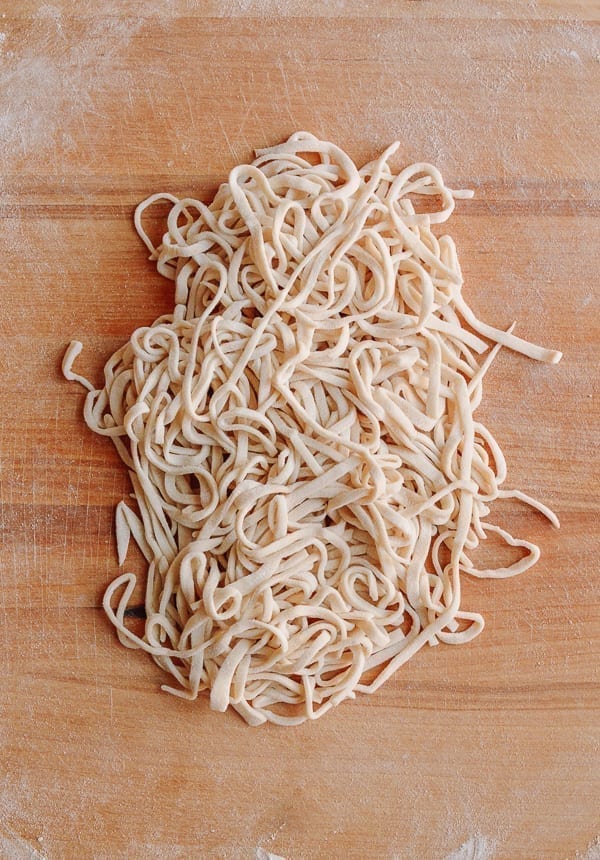
Here are some key tips for success:
- Use bread flour (i.e. “strong flour” or high gluten flour): The way to get a good chew in your noodles is to develop the gluten in the dough. Using flour with high gluten content (known to U.S. consumers as bread flour or strong flour in the U.K.) makes a big difference. That said, if you REALLY need some noodles and can’t go to the store for bread flour, all purpose flour will do in a pinch.
- Don’t add too much water! Resist the temptation to add additional water, as the dough will look rather dry and lumpy at first. Too much water will make the noodles gummy rather than springy. You just have to have faith and give the flour enough time to absorb moisture.
- Use lots of flour when rolling and cutting: The action of cutting the noodles with a knife will press the layers of dough together. To prevent them from sticking, be sure to thoroughly flour both sides of the dough before folding and cutting. This is another reason to avoid using too much water in the dough––to prevent it from sticking.
- Be mindful of thickness: The noodles will expand when cooked, so whatever thickness you see when cutting the raw dough, the cooked noodles will be significantly thicker. Keep this in mind when rolling and cutting. You may want to roll the dough out thinner and cut the noodles thinner than you initially think.
- Weight measurements are best: 2 US cups for me is about 300g when I measure it out in a dry measuring cup and weigh it, but other online sources say 1 cup of flour is 120g or 128g. These kinds of inconsistencies are why I highly recommend measuring by weight for the best results. Invest in a digital kitchen scale if you don’t have one already. We use ours all the time!
Dishes to Make With These Handmade Noodles
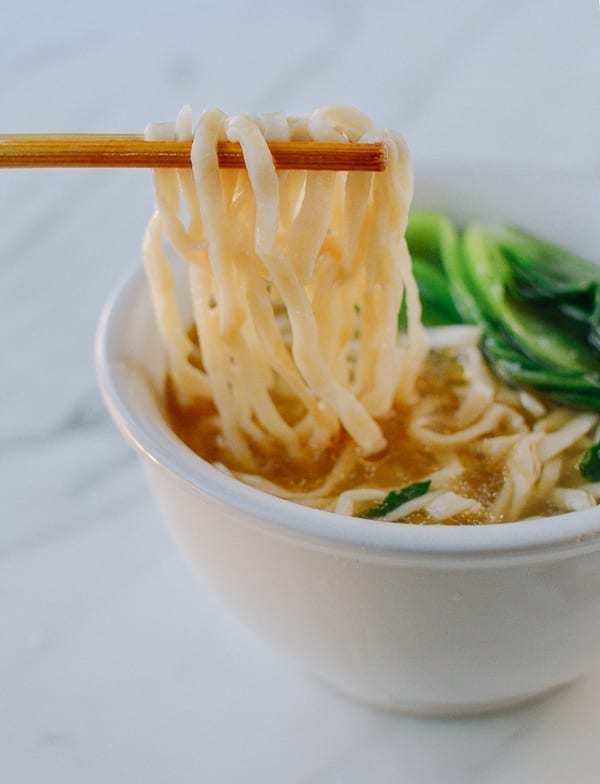
In short, you can use your Chinese handmade noodles in any noodle soup or sauced noodle dish of choice! Here are some ideas:
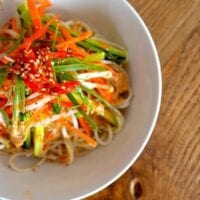
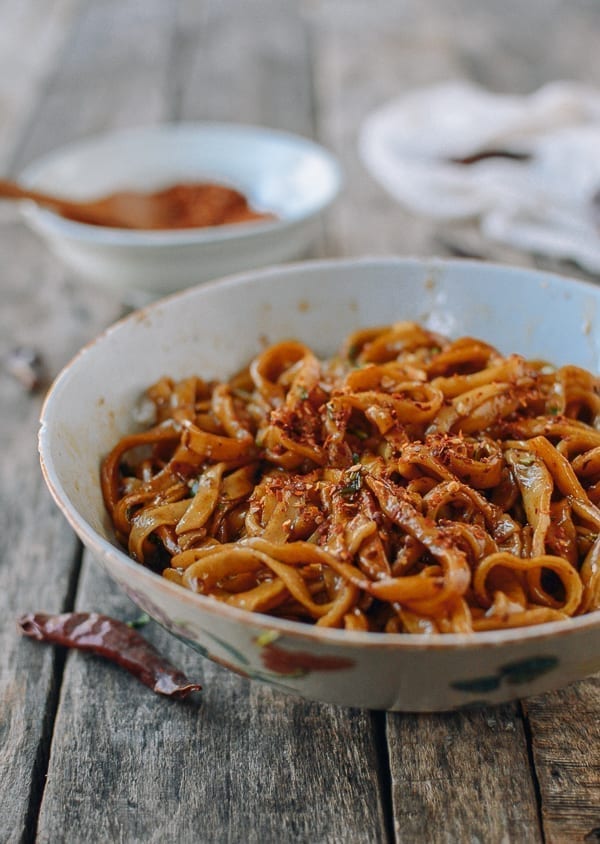
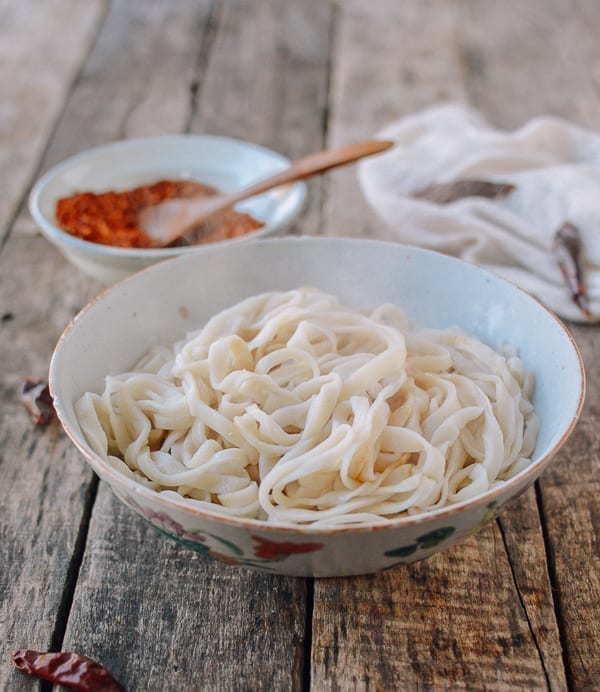
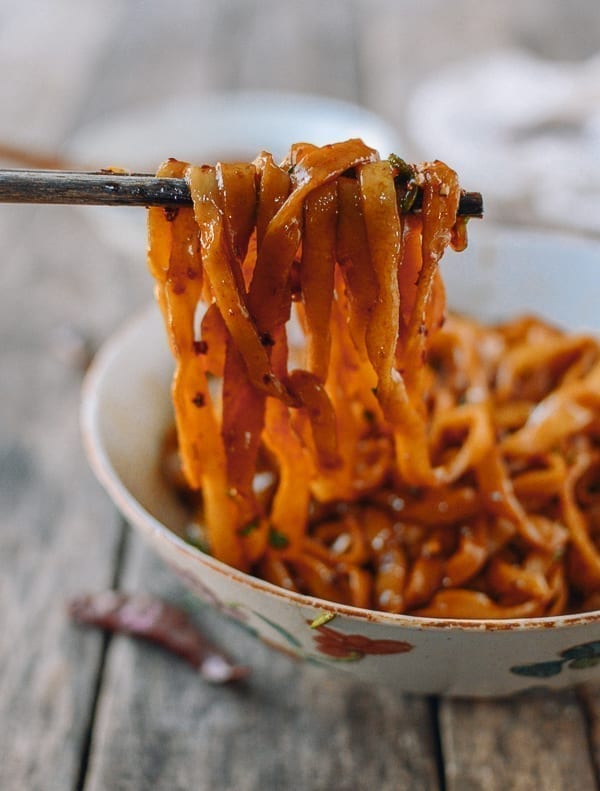
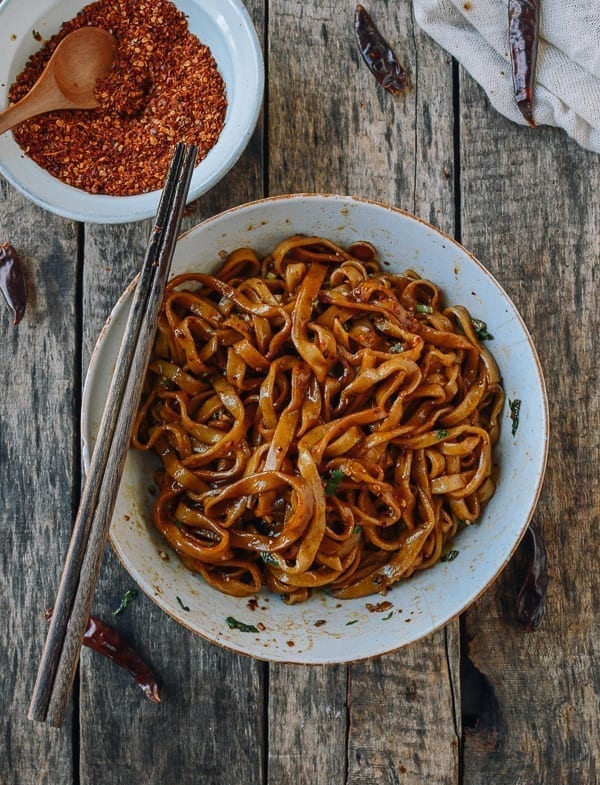
- 15-Minute Hot Oil Noodles (our pick for something quick and easy, and what is pictured in the prepared photos in this post!)
- 10-Minute Sesame Noodles
- Scallion Oil Noodles
- Dan Dan Noodles
- Hot Pot Sauce Noodles
- Lao Gan Ma Noodles
- Steamed Noodles and Green Beans
- Big Plate Chicken with Noodles
- Beijing Fried Sauce Noodles (Zha Jiang Mian)
- Taiwanese Beef Noodle Soup
- Yang Chun Noodle Soup
- Spicy Beef Noodle Soup
Homemade Chinese Noodles: Recipe Instructions
Ok, let’s get into how to make Chinese noodles from scratch!
Start by adding the bread flour and salt to the bowl of a stand mixer fitted with a dough hook attachment (or a large regular mixing bowl) and whisk together to incorporate.
Turn the mixer on low speed. Gradually add the water in two batches, giving the flour time to absorb the water with each addition. If doing this by hand, simply stir with your hands as you gradually add the water.
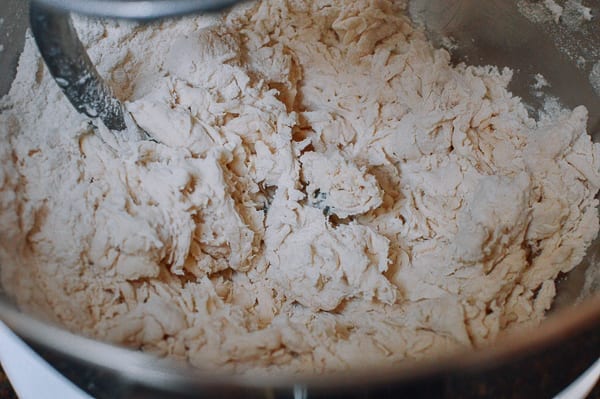
The mixture will eventually form a shaggy dough after 5 minutes of kneading.
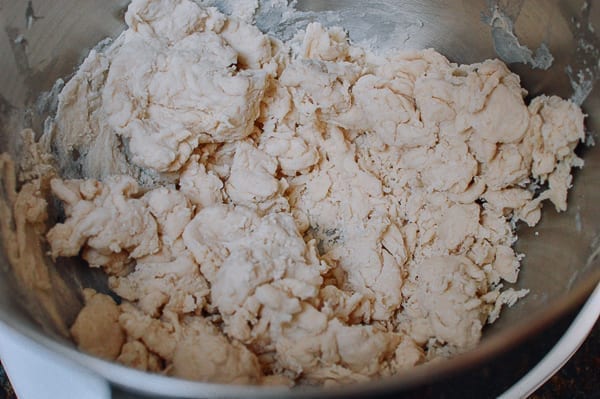
If the mixer fails to bring it all together, turn off the mixer and push the dough together with your hands.
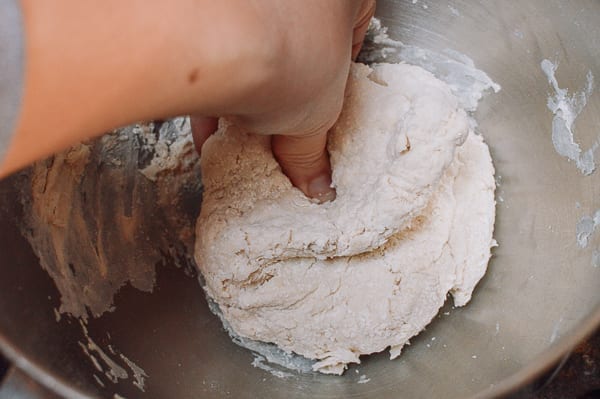
Once the dough has formed a relatively cohesive ball (it will look lumpy), continue to knead with the mixer for 10 minutes or by hand for 15 minutes. Avoid the temptation to add additional water, as this will affect the texture of your noodles.
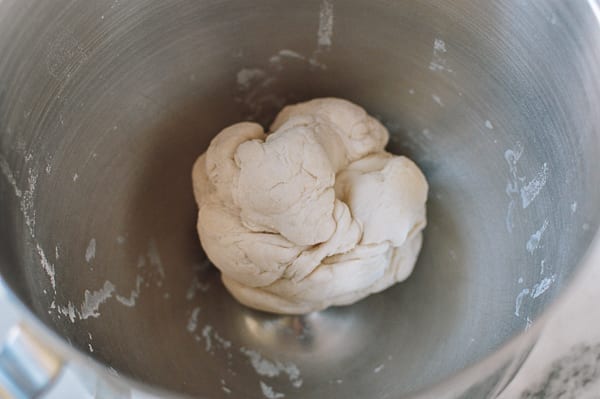
Cover the dough with an overturned bowl, and allow it to rest for 30 minutes. During this time, it will continue to absorb moisture, and become more pliable and elastic.
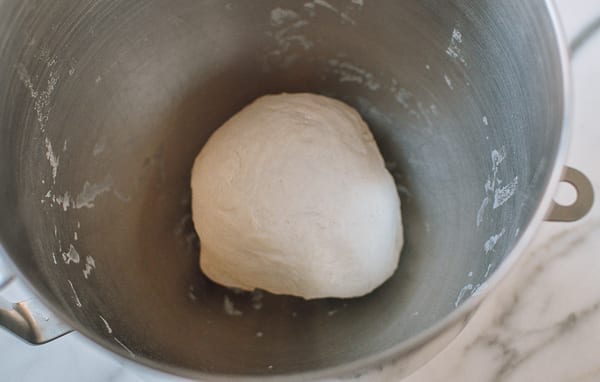
After the dough has rested, knead it a few more times to get any air bubbles out of it. Form into a ball and cut the ball in half.
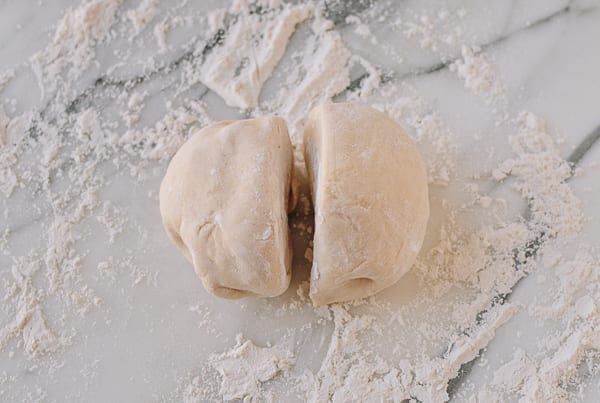
On a floured surface, roll one half of the dough into a thin sheet, about 2mm thick––this will take time!
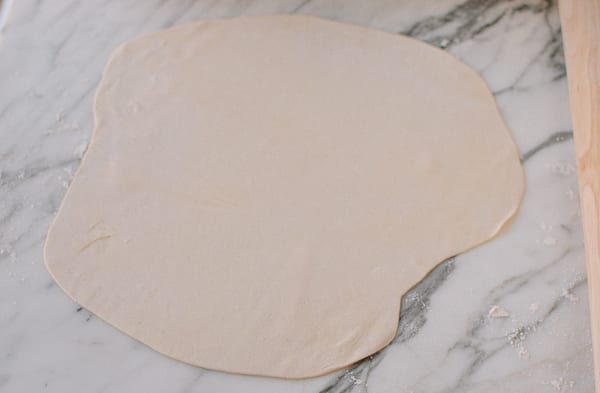
Flour the surface of the sheet thoroughly, flip over, and thoroughly flour the other side.
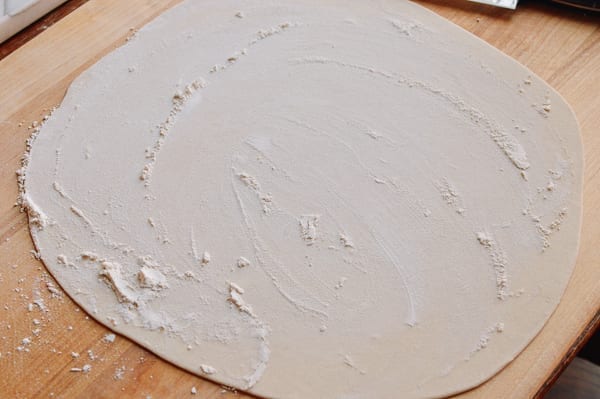
Once floured, fold the dough so you have 4 layers.
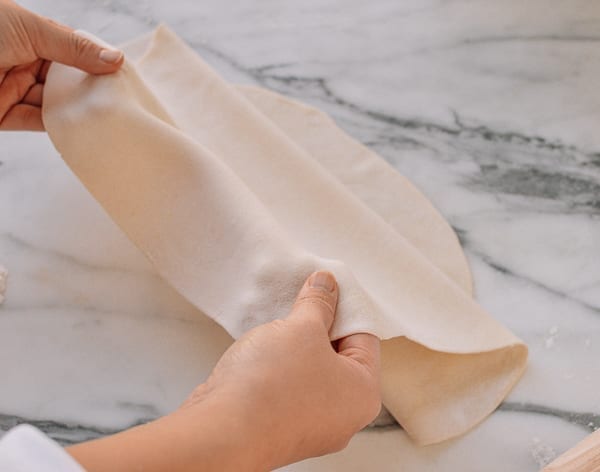
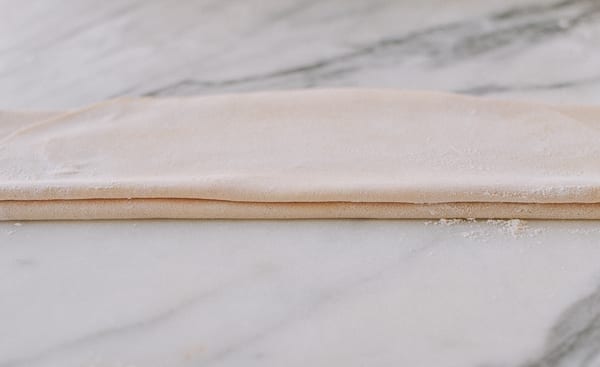
Slice the noodles with a sharp knife to your desired thickness. We decided to cut them about ⅛-inch thick.
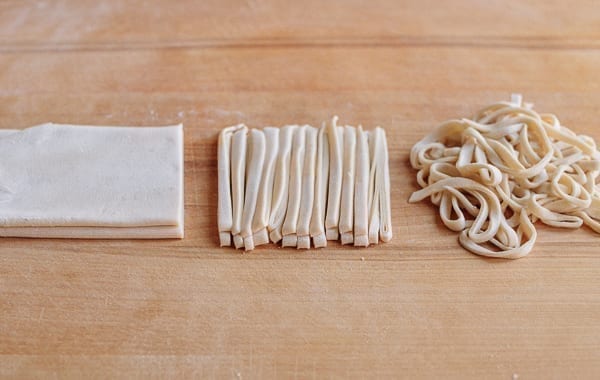
As you’re cutting the noodles, gently separate them out with your hands and toss them in flour so they don’t stick.
Repeat this process with the second half of the dough.
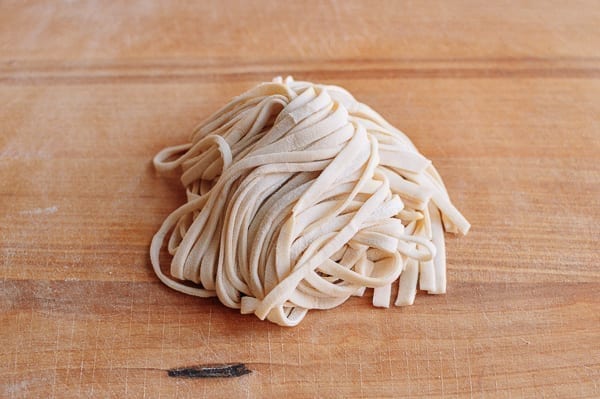
Bring a pot of water to a boil and cook the noodles for 1 to 3 minutes, depending on the thickness. Keep an eye on the noodles as they cook and taste them to determine when they’re cooked (there is a lot of variation depending on how thinly they were rolled and cut, so test in real time to determine when they’re done).
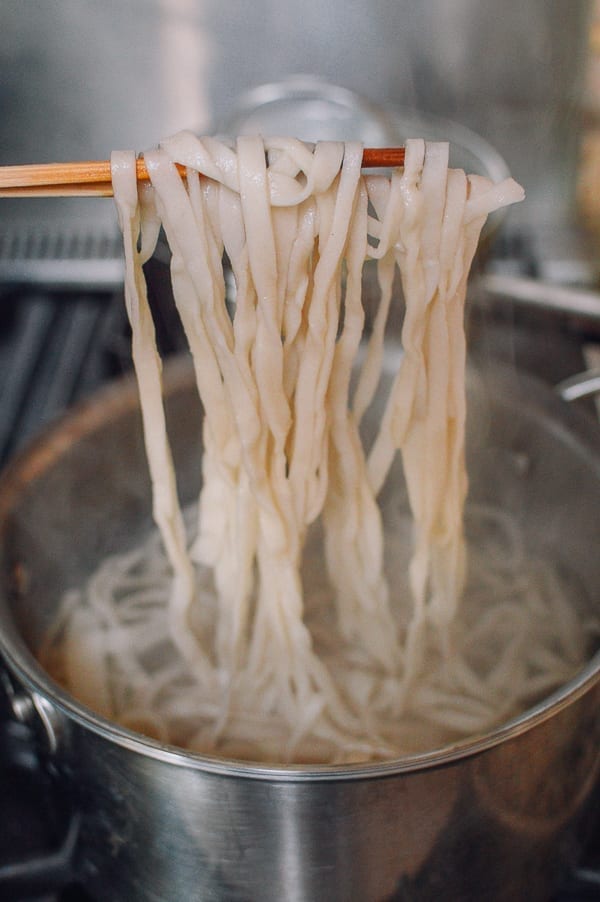
Serve your handmade noodles in soup or with sauce as desired!
Looking for more authentic recipes? Subscribe to our email list and be sure to follow us on Pinterest, Facebook, Instagram, and Youtube!
Recipe
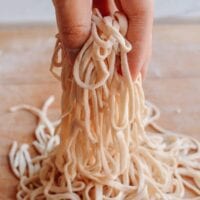
Chinese Handmade Noodles
Ingredients
- 300 grams bread flour (also known as strong flour or high-gluten flour)
- 1/4 teaspoon salt
- 150 ml water
Instructions
- Add the bread flour and salt to the bowl of a stand mixer fitted with a dough hook attachment (or a large regular mixing bowl) and whisk together to incorporate.
- Turn the mixer on low speed, and gradually add the water in two batches, giving the flour time to absorb the water with each addition. If doing this by hand, simply stir with your hands as you gradually add the water.
- The mixture will eventually form a shaggy dough after 5 minutes of kneading. If the mixer fails to bring it all together, turn off the mixer and push the dough together with your hands.
- Once the dough has formed a relatively cohesive ball (it will look lumpy), continue to knead by with the mixer for 10 minutes or by hand for 15 minutes. Avoid the temptation to add additional water, as this will affect the texture of your noodles.
- Cover the dough with an overturned bowl, and allow it to rest for 30 minutes. During this time, it will continue to absorb moisture, and become more pliable and elastic.
- After the dough has rested, knead it a few more times to get any air bubbles out of it. Form into a ball and cut the ball in half.
- On a floured surface, roll one half of the dough into a thin sheet, about 2mm thick––this will take time! Flour the surface of the sheet thoroughly, flip over, and thoroughly flour the other side.
- Once floured, fold the dough so you have 4 layers. Slice the noodles with a sharp knife to your desired thickness. We decided to cut them about ⅛-inch thick. As you’re cutting the noodles, gently separate them out with your hands and toss them in flour so they don’t stick. Repeat this process with the second half of the dough.
- Bring a pot of water to a boil and cook the noodles for 1 to 3 minutes, depending on the thickness. Keep an eye on the noodles as they cook and taste them to determine when they’re cooked (there is a lot of variation depending on how thinly they were rolled and cut, so test in real time to determine when they’re done). Serve in soup or with sauce as desired!